
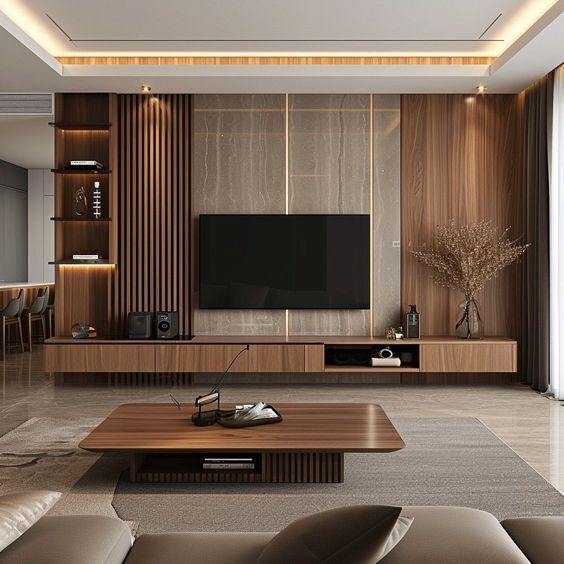
How to Choose the Best Wood for Durable Home Interiors
Creating a stylish and durable home with beautiful inland begins with selecting the right wood for your interiors. Whether it is used for wardrobes, kitchen cabinets, doors, furniture, or decorative wall panels, the type and quality of wood play a decisive role in determining the longevity, appearance, and maintenance requirements. So , it is always wiser to understand the characteristics of different wood options, before making a choice that combines functionality, beauty, and long-term value.
Choose Wood According to Its Application
The main and first step in selecting the right wood is understanding its use within your home. Different spaces have different requirements, and woods varies in durability and performance. Areas that frequently encounter moisture, such as kitchens, bathrooms, and utility spaces, need wood that offers excellent resistance to humidity, swelling, and warping. On the other hand, furniture, wardrobes, and living room interiors demand materials that provide strength, visual appeal, and a high-quality finish. Matching the wood type to its specific purpose helps ensure long-lasting functionality and enhances the overall quality of your interiors.
Hardwood and Softwood you need
Hardwoods such as teak, oak, walnut, and mahogany are highly valued for their exceptional strength, durability, and elegant appearance. These qualities make them an excellent choice for premium furniture, doors, flooring, and areas that experience frequent use. These are expensive too. Whereas softwoods, including pine and cedar, offer a more budget-friendly alternative and are easier to shape and install. It needs much lesser effort.
Moisture and Termite Resistance
Moisture and termite attacks are the most common factors that can reduce the lifespan of wooden interiors. Selecting the best wood is important here. Teak wood is often considered one of the finest choices for home interiors due to its natural ability to withstand water exposure, insect infestation, and decay.
In addition to solid wood options, modern engineered wood products with advanced protective coatings provide excellent resistance to moisture and pests while offering a more economical solution. Choosing materials with these protective qualities helps ensure long-lasting and low-maintenance interiors.
Explore the Benefits of Engineered Wood
Engineered wood has become a favorite choice in modern home interiors. It has high versatility, durability, and cost-effectiveness. Materials such as plywood, MDF (Medium Density Fibreboard), and HDF (High Density Fibreboard) are widely used for cabinets, wardrobes, wall panels, and furniture. Among these options, marine plywood stands out for areas like kitchens and wardrobes because of its superior strength and resistance to moisture.
Beauty and Maintenance
The visual appeal of wood is a key factor in making interiors alive. Patterns, texture, and natural color significantly influence the overall design aesthetic. Rich wood finishes can add warmth, sophistication, and timeless elegance, while lighter shades are often preferred for modern and minimalist interiors. Along with appearance, homeowners should also consider the maintenance needs of different wood types. Some varieties require regular polishing, sealing, or protective treatments to preserve their beauty and durability.
Make the best choice
Choosing the best wood for durable home interiors involves carefully balancing factors such as strength, budget, visual appeal, and maintenance requirements. Premium hardwoods like teak and oak are best for their durability. Whereas, high-quality engineered wood products that offer versatility and value, selecting the right material is essential for creating interiors that last. By investing in quality wood that suits your specific needs, you can enjoy stylish, reliable, and timeless interiors for many years.