
Interior designing in kerala

Best interior designers in kerala

House interiors in kerala

Kochi interior designers

Interior designers in kochi

Best interior design company in kerala

Top interior designers in kerala

Interior design in cochin

Best home designers in kerala

Best home interior designers in kerala

Interior design firms in kochi

Interior decorators kochi

Interior designers in kerala for home

Interior contractors in kochi

Best interior designers kochi

Cochin interior designers

Common home design mistakes Archives - Fabdec Interiors

Tag: Common home design mistakes

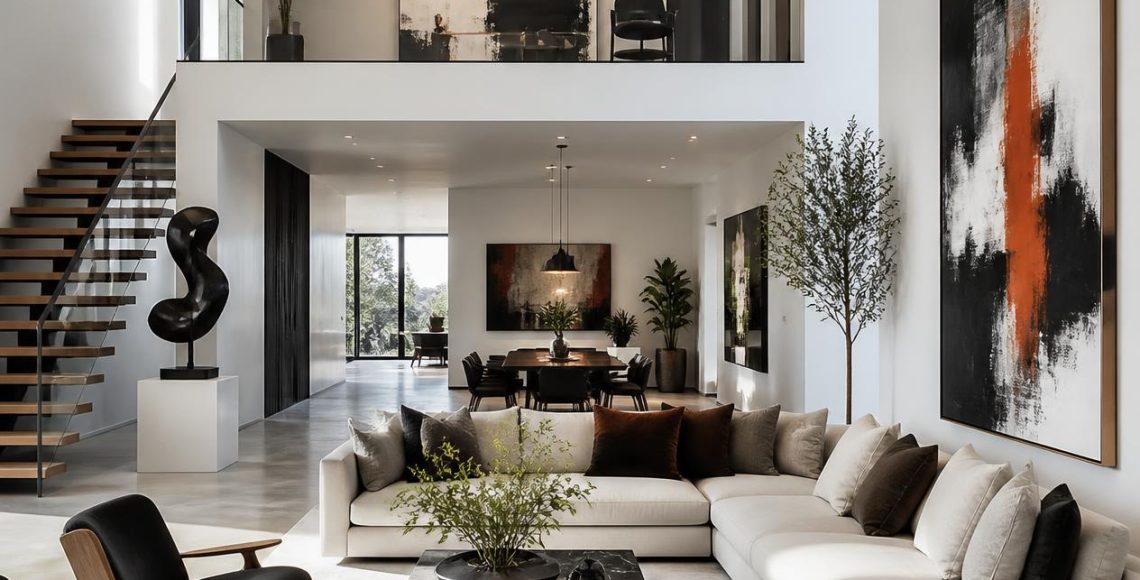
Modern luxury living room with a double-height ceiling, elegant white sofa, floating wooden staircase, black accent furniture, and contemporary décor designed for a spacious and sophisticated home.

Common Interior Mistakes to Avoid While Designing a New Home in Kerala

Planning Your Dream Home? Avoid These Interior Design Errors

In the realm of high-end residential design in Kerala, true luxury is defined not just by aesthetic opulence, but by how effectively a home responds to the rigors of our tropical environment. As a specialist in Kerala architecture, I often observe a disconnect between a homeowner’s visual aspirations and the climatological realities of the region. While a “modern” facade may capture the eye, a home’s enduring value is anchored in its functional resilience—specifically its ability to handle the extreme thermal mass requirements and humidity levels inherent to our landscape.

The strategic failure to account for these factors results in more than just discomfort; it leads to a cycle of trapped moisture, interior degradation, and an eventual need for expensive retrofitting. When we neglect the “So What?” of local conditions—the tangible impact on inhabitant well-being and structural longevity—we sacrifice the soul of the home for a fleeting trend. Avoiding these common pitfalls is the first essential step toward creating a residence that remains a timeless sanctuary.

A Well-Ventilated Home is a Comfortable Home 

In a climate characterized by high humidity and the persistent warmth of the tropics, natural ventilation is a non-negotiable strategic necessity. A frequent error in contemporary Kerala design is the adoption of “sealed” architectural styles that prioritize expansive, unshaded glass over the movement of air. Without a deliberate strategy for airflow, these homes become uncomfortable “hot boxes,” driving an unsustainable and expensive dependence on 24/7 air conditioning.

To mitigate these risks and foster a healthier indoor microclimate, we must leverage three critical strategies:

  • Proper Window Placement: Aligning apertures to capture prevailing winds and facilitate the constant entry of fresh air.
  • Open Layouts: Reducing internal obstructions to permit air to circulate freely across different functional zones.
  • Cross-Ventilation: Utilizing a natural pressure differential by placing openings on opposite or adjacent walls to effectively pull stale air out and cool air in.

By embracing these principles, we reduce the home’s energy footprint and significantly enhance indoor air quality, setting the stage for a more thoughtful approach to spatial organization.

Smart Space Planning Creates Better Homes 

Exceptional interior design is born from functional logic rather than aesthetic fads. A recurring mistake is the “sequencing error”—purchasing furniture or fixtures before the room’s layout and circulation paths are finalized. This lack of foresight often results in overcrowded environments that restrict movement and diminish the home’s daily utility.

Meticulous planning ensures that every square foot serves a purpose, preventing the spatial clutter often found in modern homes and allowing the residence to evolve with the family’s needs.

Smart Storage, Effective Lighting, and Durable Materials 

The visual longevity of a home depends heavily on its “back-end” infrastructure—the elements that support daily life but are often overlooked during the initial design phase. Storage, for instance, must be proactive rather than reactive. If wardrobes, kitchen cabinetry, and hidden utility spaces are not integrated into the early blueprints, the most elegant room will eventually be compromised by clutter.

Lighting requires a similarly nuanced approach. Relying on a single, central light source creates a flat, clinical atmosphere with uninviting shadows. For true comfort and sophistication, a multi-layered lighting plan is required, further enhanced by maximizing natural light through large windows and strategic room orientation:

  • Ambient Lighting: For general, safe illumination of the entire space.
  • Task Lighting: Focused, high-intensity light for specialized areas like kitchen workstations or study desks.
  • Accent Lighting: To add depth, highlight architectural textures, and create visual interest.

Kerala’s relentless monsoon season and high moisture levels will quickly degrade inferior products. To ensure a home stands the test of time, the following materials are essential:

  • Quality Plywood: Essential to prevent the warping and structural failure common in high-humidity zones.
  • Moisture-Resistant Laminates: To protect cabinetry and surfaces from swelling or fungal growth.
  • Anti-Skid Flooring: A vital safety feature, particularly in foyers and wet areas where moisture is frequently tracked indoors during the long rainy season.

Think Ahead When Planning Electrical Systems 

In an era of rapid technological advancement, future-proofing a residence is a strategic imperative. A common oversight is neglecting the digital and electrical backbone during construction. Modern Kerala homes require a robust network of connectivity and power. We must plan for strategically placed charging points—not just in obvious locations, but integrated into bedside consoles, kitchen islands, and home office workstations. Provisions for smart home integration, robust Wi-Fi mesh systems, and entertainment hubs should be established early to avoid the need for invasive and costly modifications once the home is finished.

Combining Durability, Functionality, and Style 

Achieving a home that balances aesthetic elegance with climate-responsive functionality is a complex endeavor. By moving beyond fleeting trends and addressing the practicalities of ventilation, material durability, and spatial logic, homeowners can ensure their investment provides comfort for generations.

This is where Fabdec Interior’s localized expertise becomes invaluable. We bridge the gap between sophisticated modern design and the unique environmental requirements of Kerala. At Fabdec, we help homeowners navigate these technical complexities, creating thoughtfully designed interiors that reflect personal style while ensuring every home is elegant, efficient, and built to stand the test of time.
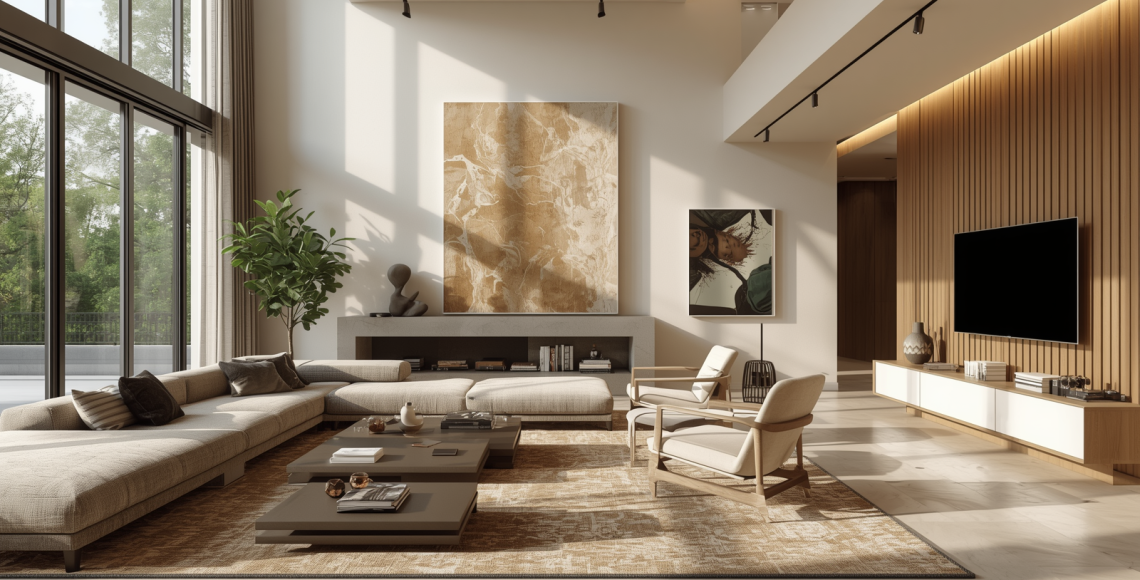

Luxury modern living room interior with large sofa, wooden accent wall, TV unit, and bright natural lighting

Common Interior Design Mistakes Kerala Homeowners Make

Building or renovating a home is one of the biggest investments you will ever make. And yet, some of the most common interior design mistakes happen not because homeowners are careless, but because nobody told them what to watch out for.

This guide is that conversation. Honest, practical, and based on what actually goes wrong in Kerala homes. If you are planning your interiors right now or about to start, read this before you make a single decision.

The Excitement Trap

There is a particular kind of excitement that comes while designing a new home. You might have saved up, you have a vision, and you might sometimes want to get started immediately. That energy is great. But it is also where many of the most expensive mistakes begin.

Rushing into decisions without a clear plan, buying furniture before the layout is finalised, choosing paint colours before the lighting is sorted, committing to finishes before understanding how they will hold up in Kerala’s humid climate. These are not rare occurrences. They happen in home after home, and they almost always cost more to fix than they would have cost to avoid.

The single best piece of interior design advice for Kerala homes is this: slow down at the beginning so you do not have to slow down, or worse, start over, in the middle.

Mistake 1: Skipping the Space Planning Stage

This is one of the most common interior design mistakes, and it is also one of the most damaging. Space planning is the process of mapping out exactly where furniture, storage, and functional zones will go before any work begins.

When it is skipped, you end up with rooms that look designed but do not work. A sofa that blocks the door. A dining table that is too large for the room. A wardrobe placed so it cannot be fully opened. A kitchen layout that makes cooking feel like an obstacle course.

Good space planning takes time and requires you to think about how you actually live in a space, not just how it will look in photos. It is one of the most important interior design planning mistakes to avoid, and working with a professional from the start makes a significant difference here.

Mistake 2: Ignoring Kerala’s Climate

This is a mistake to avoid in home interiors that are very specific to this part of the world. It is a mistake that most homeowners miss out.

Kerala’s combination of heat, humidity, and heavy monsoon rainfall is genuinely tough on materials. 

  • Wood that is not properly treated will warp. 
  • MDF (medium-density fiberboard) used in the wrong areas will swell. 
  • Metal fixtures without the right coating will rust. 
  • Certain paints that look beautiful will peel within a season.

Choosing materials that look great in a showroom but are not suited for Kerala’s climate is one of the most frustrating home design mistakes because the damage does not show up immediately. It shows up six months or two years later, when you are already living in the space and the idea of redoing things feels overwhelming.

To be on the safe side, always ask your designer or contractor how a material will perform in Kerala’s specific conditions before committing to it. 

Mistake 3: Getting the Lighting Wrong

Poor lighting is one of those common interior design mistakes that people only truly notice after they move in. During the construction phase, most spaces are lit by bare bulbs or work lights, so it is hard to visualise how the finished room will actually feel under its permanent lighting.

The result is often a beautifully designed room that feels flat, cold, or dim in real life. Or a kitchen with great overhead lights but no task lighting where it actually matters. Or a bedroom where the only switch controls everything, leaving no option for a softer mood in the evening.

Good lighting design is not just about choosing nice fixtures. It is about planning the layers of light in each room, understanding the colour temperature that works for each space, and making sure the electrical points are in the right places before the walls are plastered. Changing this later is expensive and disruptive, which is exactly why it is one of the most important home interior design tips in Kerala to get right early.

Mistake 4: Following Trends Too Closely

There is nothing wrong with being inspired by trends. The problem is building your entire home around them.

Trends in interior design move fast. What feels fresh and exciting today can feel outdated in three to five years. Homeowners who follow trend-driven choices, specific colour palettes that are everywhere right now, statement tiles that are all over social media, design details that are popular at that time, often find themselves wanting to redo things far sooner than they expected.

This is one of the most common home design mistakes because it is driven by inspiration rather than intention. The fix is simple – use trends as just references, not as a foundation. Build your home around timeless choices and let the trend-led elements be the things that are easy and affordable to change later.

Mistake 5: Underestimating Storage

Ask anyone who has been living in their home for a few years what they wish they had done differently, and storage comes up almost every time. Not enough of it, or storage that is in the wrong places.

This is especially true in Kerala homes where large families, traditional cookware, festival items, and a general love of keeping things rather than discarding them. This ultimately points to the fact that storage demands are high. Interior design planning mistakes around storage tend to show up as overcrowded rooms, cluttered surfaces, and the constant feeling that the home is messy even when it has just been tidied.

Built-in storage, under-bed drawers, wall-mounted cabinets, and dedicated storage rooms or cupboards for festival and seasonal items are all worth investing in early. It is far easier and cheaper to build storage into the original design than to retrofit it later.

Mistake 6: Treating the Budget as a Fixed Number

A lot of homeowners go into an interior design project with a number in their head and a quiet assumption that the final cost will be somewhere near that number. This rarely works out.

Interior projects almost always involve decisions that shift the budget. A better quality material here, an additional storage unit there, a light fitting that was not in the original plan. Without a buffer and a clear understanding of where to prioritise spending, it is easy to overspend on visible elements like furniture and decor while underspending on things that matter more in the long run, like quality electrical work, good flooring, or durable cabinetry.

One of the most practical home renovation mistakes to avoid is treating your budget as an exact number rather than a range. Build in a buffer of at least 10 to 15 percent for the unexpected, and make sure your designer knows your real budget, not an artificially low number, from the very beginning.

Mistake 7: Not Involving a Professional Early Enough

This is the mistake that sits behind almost all of the others. Many homeowners bring in an interior designer after key decisions have already been made, after the layout is fixed, after the electrical points are done, after the tiles are chosen. At that point, the designer is working with constraints that could have been avoided entirely.

Interior design advice for Kerala homes consistently points to one truth: the earlier you involve a professional, the better the outcome and the lower the overall cost. A good designer does not just make things look nice. They help you avoid the mistakes in this list before they happen, which saves you time, money, and a great deal of frustration.

Work with Fabdec Interiors

At Fabdec Interiors, we have walked into homes at every stage of the process, and we have seen the full range of what goes right and what goes wrong. Our approach is always to get involved early, ask the right questions, and help homeowners make decisions they will be happy with for years to come, not just on day one.

If you are planning your home interiors and want to avoid the common interior design mistakes that so many Kerala homeowners look back on with regret, we are here to help. Get in touch with Fabdec Interiors and let us be part of the process from the beginning.

Budget-friendly interior designing
Fabdec Interiors
Get exclusive offers on Interior Designing. Talk to our representatives for the best deals.